We use cookies to enhance your browsing experience. By continuing to use this site, you accept our use of cookies.

Learn More

Complete Nutrition Guide for Deep Sleep

Understanding the essential nutrients that support your body's natural sleep mechanisms

Key Nutrients for Sleep Quality

💎

Magnesium

This essential mineral plays a vital role in over 300 biochemical reactions in your body, including those that regulate sleep. Magnesium helps activate the parasympathetic nervous system, which is responsible for helping you feel calm and relaxed. It also regulates melatonin production and binds to GABA receptors, promoting a sense of tranquility.

Best sources: Pumpkin seeds, almonds, spinach, dark chocolate, avocados, whole grains
ðŸŒą

Tryptophan

An essential amino acid that your body cannot produce on its own, tryptophan is a precursor to serotonin, which then converts to melatonin. This conversion process is crucial for maintaining healthy sleep-wake cycles. Consuming tryptophan-rich foods, especially when paired with carbohydrates, can enhance its absorption and effectiveness.

Best sources: Turkey, chicken, eggs, cheese, tofu, nuts, seeds, oats

☀ïļ

Vitamin B Complex

B vitamins, particularly B6, B9, and B12, are essential for the synthesis of neurotransmitters that regulate sleep. Vitamin B6 helps convert tryptophan into serotonin, while B12 supports the regulation of your circadian rhythm. Deficiencies in these vitamins have been linked to sleep disturbances and insomnia.

Best sources: Salmon, chickpeas, bananas, fortified cereals, leafy greens, eggs

ðŸĶī

Calcium

Calcium works closely with magnesium to support sleep. It helps the brain use tryptophan to manufacture melatonin and plays a role in REM sleep cycles. Research suggests that calcium deficiency may lead to difficulty falling asleep and disrupted sleep patterns throughout the night.

Best sources: Dairy products, fortified plant milk, kale, broccoli, sardines, almonds

Strategic Meal Timing

When you eat can be just as important as what you eat. Your digestive system follows its own rhythm, and aligning your meals with your body's natural processes can significantly improve sleep quality.

Eating large meals too close to bedtime forces your body to focus on digestion when it should be preparing for rest. This can lead to discomfort, acid reflux, and disrupted sleep. Conversely, going to bed hungry can also interfere with sleep.

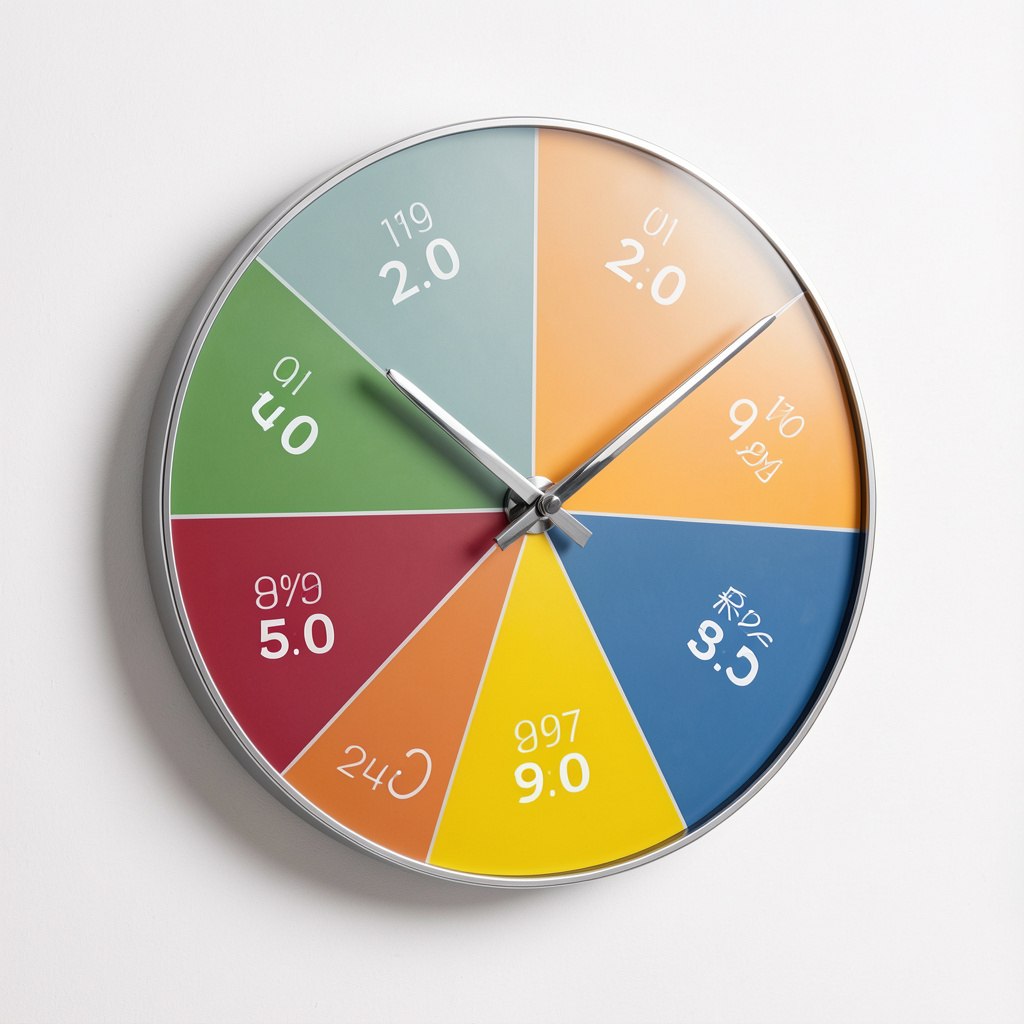
The ideal approach is to have your largest meal at lunch, a moderate dinner 3-4 hours before bed, and if needed, a small sleep-friendly snack 1-2 hours before sleep.

Clock showing optimal meal timing schedule for better sleep

Building Your Sleep-Friendly Nutrition Plan

1

Morning Foundation

Start your day with protein-rich foods and complex carbohydrates to stabilize blood sugar levels throughout the day. Include foods high in B vitamins to support energy and neurotransmitter production.

2

Afternoon Balance

Focus on nutrient-dense meals that include lean proteins, healthy fats, and plenty of vegetables. This is the ideal time for your largest meal, giving your body ample time to digest before evening.

3

Evening Wind-Down

Choose lighter meals with sleep-promoting nutrients like magnesium and tryptophan. Pair proteins with complex carbohydrates to facilitate tryptophan absorption. Avoid heavy, spicy, or fatty foods.

4

Pre-Sleep Snack

If needed, opt for a small snack combining carbohydrates and protein, such as whole grain crackers with almond butter or a small bowl of oatmeal with banana.

Understanding Sleep Supplements

While whole foods should be your primary source, supplements can support your nutrition strategy

💊

Magnesium Supplements

Available in various forms including glycinate, citrate, and threonate. Magnesium glycinate is often preferred for sleep support due to its calming properties and high absorption rate.

ðŸŒŋ

Herbal Options

Valerian root, chamomile, and passionflower have been traditionally used to promote relaxation. These can be consumed as teas or supplements to complement your nutrition plan.

🌙

Melatonin Support

While your body produces melatonin naturally, small doses of supplemental melatonin can help regulate sleep cycles, especially when dealing with jet lag or shift work.

Hydration and Sleep Quality

Proper hydration throughout the day is essential for optimal sleep, but timing matters. Being well-hydrated supports all bodily functions, including the production of sleep-regulating hormones.

However, drinking too much fluid close to bedtime can disrupt sleep with nighttime bathroom trips. The key is to front-load your hydration during the day and taper off in the evening.

Morning to Afternoon:

Drink the majority of your daily water intake. Aim for consistent hydration throughout these hours.

Evening:

Reduce fluid intake 2-3 hours before bed. Small sips are fine if thirsty, but avoid large amounts.

Herbal Teas:

Caffeine-free herbal teas like chamomile can be enjoyed in the evening as they provide minimal fluid while offering relaxation benefits.

Common Sleep Nutrition Myths

❌

Myth: Eating Before Bed Always Causes Weight Gain

Reality: A small, nutrient-appropriate snack before bed won't cause weight gain and can actually support better sleep. The key is choosing the right foods in appropriate portions.

❌

Myth: Warm Milk Works Because of Tryptophan

Reality: While milk contains tryptophan, the amount is too small to have a significant effect. The benefit likely comes from the comforting ritual and warmth, which promote relaxation.

❌

Myth: You Need Supplements for Good Sleep

Reality: Most people can get adequate sleep-supporting nutrients from a balanced diet. Supplements should complement, not replace, whole food sources.

❌

Myth: Carbs at Night Are Bad

Reality: Complex carbohydrates in the evening can actually support sleep by helping tryptophan reach the brain. The type and amount of carbs matter more than timing.

Learn More About Sleep Nutrition

Get personalized recommendations and expert guidance tailored to your unique needs and lifestyle.

📋 Custom Plans
ðŸ‘Ļ‍⚕ïļ Expert Advice
📈 Track Progress
Get Started Today